Guides · · 3 min read
Kyoto Autumn Guide 2026: Exploring Japan's Cultural Heart
By eSIMcity
As of August 2026, the best time to visit Kyoto for autumn foliage is mid-November through early December, when the city’s historic temples are framed by fiery maple leaves. While peak summer heat lingers, planning your autumn itinerary now ensures you secure accommodations in districts like Higashiyama early, as rooms fill up months in advance.
Key takeaways
- Aim for mid-November to early December for the peak autumn leaf color.
- Book your accommodation in Kyoto at least 4-6 months ahead for the fall season.
- Use a reliable Kyoto travel eSIM to ensure consistent map and translation access.
- Prioritize early morning visits to major temples to avoid peak congestion.
- Always carry enough Japanese Yen, as many smaller establishments remain cash-only.
Why Visit Kyoto in Autumn 2026
Following the Kyoto travel guide 2026, the autumn season stands out as the most spectacular time to witness the city's transformation. As the humidity of the Japanese summer fades, the maples turn brilliant shades of red and gold, creating a breathtaking backdrop for the city’s UNESCO World Heritage sites. For travelers planning their journey as of August 2026, the weather is mild and pleasant, perfect for long walks through the Gion district or up the winding paths of Fushimi Inari-taisha.
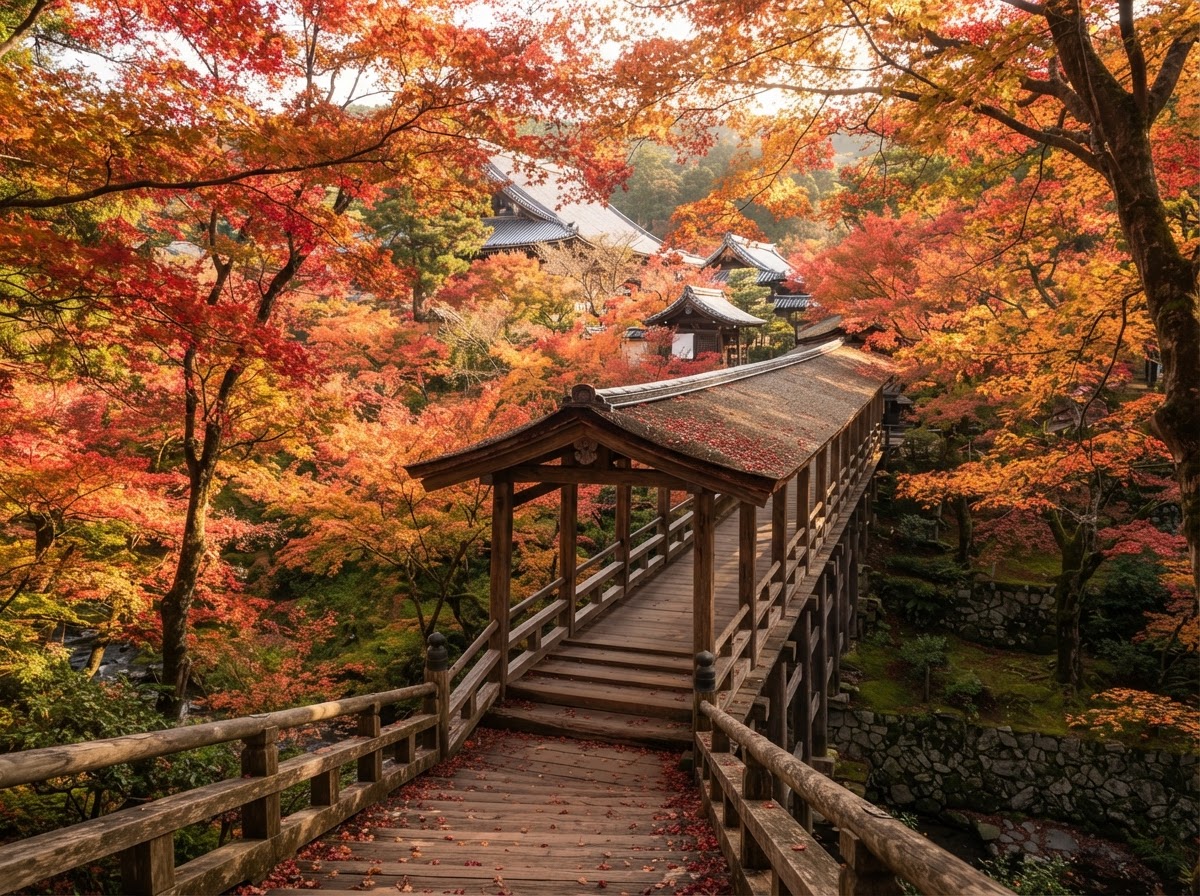
The phenomenon of 'koyo' (autumn leaves) is deeply embedded in Japanese culture, and Kyoto serves as the epicenter of this seasonal celebration. Beyond the visual appeal, autumn is a harvest season, meaning visitors can indulge in chestnuts, matsutake mushrooms, and freshly harvested rice served in traditional Kaiseki meals. This combination of sensory beauty and culinary excellence makes Kyoto an unparalleled destination for those looking to experience the authentic heart of Japan before the winter chill settles into the valley.
Top Sights and Cultural Experiences
Kyoto is home to over 1,600 temples, but a few stand out for their autumn aesthetic. Tofuku-ji is widely considered the crown jewel of fall foliage, offering a stunning view from the Tsutenkyo Bridge. For a quieter experience, head to the northern hills of Arashiyama to enjoy the reflection of colorful leaves on the Hozugawa River. Many temples, such as Eikando and Kiyomizu-dera, also offer special evening illuminations during the peak weeks in November, allowing visitors to see the foliage lit up against the dark night sky.
When planning your daily route, consider these logistics to make the most of your time:
1. Start your day at 7:00 AM at popular sites like Fushimi Inari to beat the heavy crowds that arrive by mid-morning.
2. Utilize the bus and subway pass for seamless city movement between districts.
3. Book high-end kaiseki dinners at least two weeks in advance if visiting during peak November weekends.
4. Carry a portable power bank for your devices, as map apps and translation tools are heavy on battery usage throughout the day.
Beyond the major landmarks, consider renting a kimono in the Higashiyama district. Walking through the narrow, preserved streets of Sannenzaka and Ninenzaka in traditional attire adds an immersive layer to your photography and cultural exploration. Remember to check local event calendars for 'temple festivals' or tea ceremonies, which are frequently held during the autumn months to celebrate the harvest.
Practical Travel Logistics for 2026
Getting around Kyoto is straightforward thanks to its efficient public transport system. The Kyoto City Bus and the subway network connect all major tourist areas. As of August 2026, many travelers prefer using digital navigation tools to manage complex transfers. Maintaining a reliable data connection via a Kyoto travel eSIM allows you to access real-time transit schedules and digital maps without the stress of hunting for local physical SIM cards or expensive roaming plans.
Regarding entry, Japan continues to maintain streamlined e-visa processes for many nationalities. Always verify the current status of your entry requirements through the official Japanese Ministry of Foreign Affairs website before your departure date. Currency is still heavily cash-based in smaller traditional shops and temples, so keeping a supply of yen on hand is essential for entry fees and street food snacks. For larger purchases, major department stores like Takashimaya or Daimaru readily accept international credit cards and mobile payment services like Apple Pay or Google Pay.
Staying connected is critical for modern travelers. Since public Wi-Fi in Kyoto can be spotty, especially when you are deep in temple gardens or rural outskirts, an eSIM is the most reliable way to maintain connectivity. Ensure your device is carrier-unlocked before you leave home to facilitate the easy installation of an eSIM QR code, which will keep you synced with live departure times on the Japan Transit app and allow for instant translation via camera-based AI tools.
eSIM plans in this guide
Frequently asked questions
Is a travel eSIM necessary for visiting Kyoto in 2026?
A travel eSIM is highly recommended for Kyoto to ensure you have constant, reliable data for navigation and translation. As of August 2026, having consistent connectivity on your smartphone is vital for using public transport apps like Google Maps or Japan Transit by Jorudan to avoid getting lost in the city.
What is the weather like in Kyoto during the autumn months?
Autumn in Kyoto is generally mild and comfortable. You can expect temperatures to range from 10°C to 20°C (50°F to 68°F). It is advisable to pack layers, as the evenings can get quite crisp, especially when visiting temples located in the mountains surrounding the city basin.
Is cash still required for tourists in Kyoto as of late 2026?
Yes, while major hotels and department stores accept credit cards, many local temples, shrines, and small traditional craft shops in Kyoto are still cash-only. Always carry enough Japanese yen to cover your daily entrance fees and street food expenses.
What is the best way to avoid peak crowds at Kyoto temples in November?
The most effective way to avoid crowds is to visit popular sites like Fushimi Inari-taisha or Kiyomizu-dera right at opening time, typically around 7:00 AM or 8:00 AM. Alternatively, focus on lesser-known temples in Northern Kyoto or visit during the final hours before sunset.
Are there special transit passes available for tourists in Kyoto?
Yes, for 2026 travel, the Kyoto Sightseeing Pass for subways and buses remains a convenient option for tourists. It provides unlimited travel on most city lines, helping you navigate the city efficiently without needing to purchase individual tickets for every transfer.